



In today’s digital-first world, social media has become one of the most powerful marketing tools for small businesses. Whether you own a local store, an eCommerce brand, or a service-based company, social media platforms help you connect directly with potential customers, increase brand awareness, and generate quality leads without spending massive advertising budgets. For small businesses, having the right social media marketing strategy can create long-term growth and a strong online presence.
Why Social Media Marketing Matters
Millions of people spend hours daily on platforms like Facebook, Instagram, LinkedIn, Twitter, and YouTube. This makes social media an ideal place for businesses to showcase products, build trust, and engage with audiences. Unlike traditional marketing methods, social media allows direct communication between businesses and customers, helping brands understand customer behavior and preferences more effectively.
For small businesses, social media marketing offers several advantages:
- Cost-effective promotion
- Better customer engagement
- Increased website traffic
- Higher brand visibility
- Improved lead generation
- Stronger customer loyalty
However, success on social media requires more than simply posting images or videos. Businesses need a well-planned strategy to achieve measurable results.
Define Clear Marketing Goals
The first step in building an effective social media marketing strategy is setting clear objectives. Every business should identify what they want to achieve through social media. Common goals include:
- Increasing brand awareness
- Generating leads
- Driving website traffic
- Boosting sales
- Building customer relationships
- Improving customer support
Having defined goals helps businesses create focused campaigns and measure performance accurately.
Identify Your Target Audience
Understanding your target audience is essential for successful social media marketing. Small businesses should research their ideal customers based on factors such as:
- Age group
- Location
- Interests
- Buying behavior
- Online activity
For example, Instagram and TikTok work well for younger audiences, while LinkedIn is more effective for B2B businesses and professionals. Knowing where your audience spends time helps you focus on the right platforms and create relevant content.
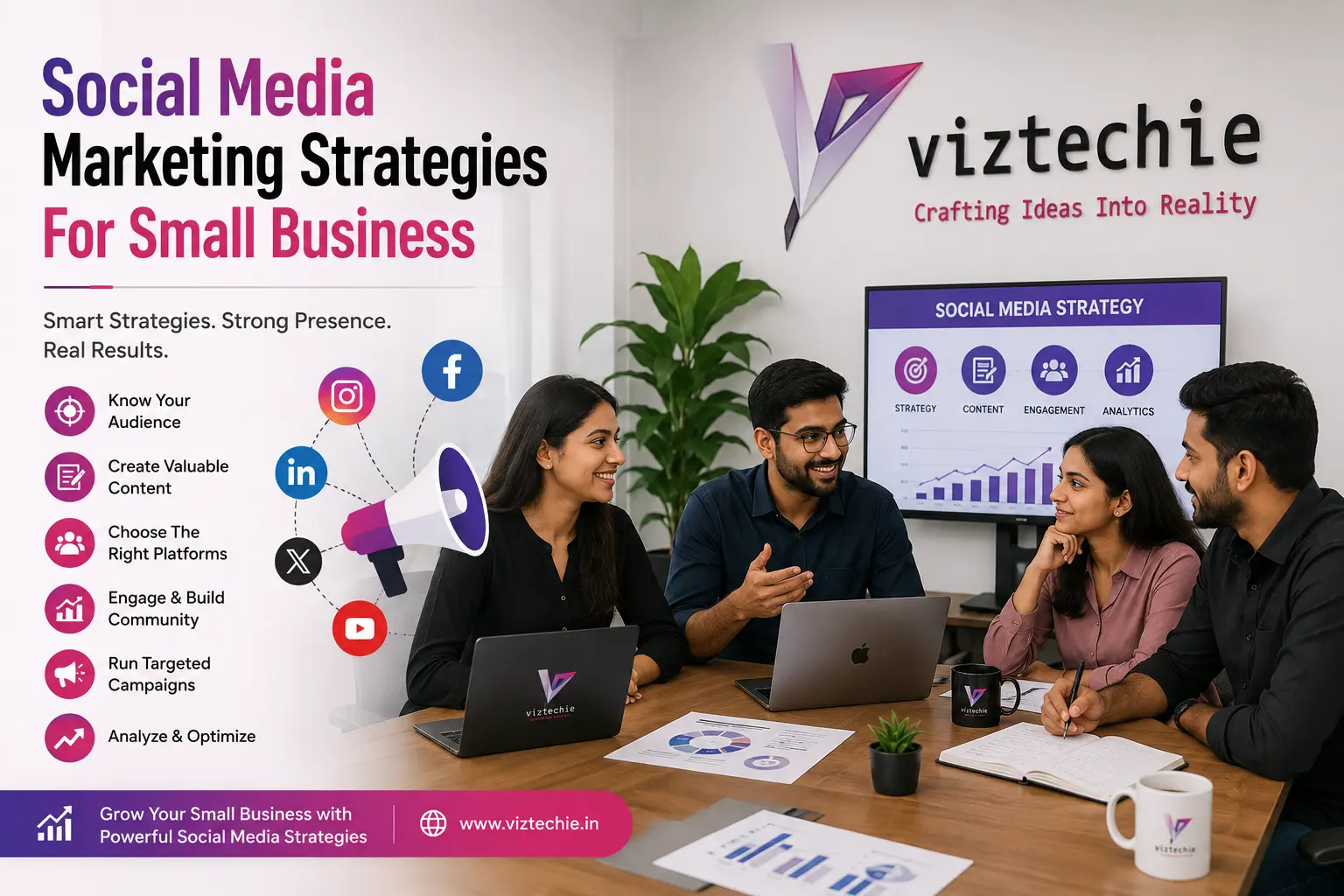
Choose the Right Social Media Platforms
Not every platform is suitable for every business. Small businesses should focus on platforms that align with their products, services, and audience preferences.
Facebook remains one of the best platforms for local businesses and community engagement. It supports business pages, advertisements, customer reviews, and targeted marketing campaigns.
Instagram is ideal for visual branding, fashion, food, travel, beauty, and lifestyle businesses. Features like reels, stories, and influencer collaborations help increase reach and engagement.
LinkedIn works best for professional services, B2B companies, and recruitment-focused businesses. Sharing industry insights and professional content helps build authority.
YouTube
Video content continues to dominate digital marketing. Small businesses can use YouTube for tutorials, product demonstrations, customer testimonials, and educational content.
Twitter/X
Twitter is effective for real-time updates, customer support, and engaging in trending conversations.
Create High-Quality Content
Content is the foundation of every successful social media strategy. Businesses should focus on creating content that educates, entertains, or solves customer problems.
Popular content types include:
- Informative blog snippets
- Product showcases
- Behind-the-scenes videos
- Customer testimonials
- Infographics
- Tutorials
- Industry tips
- Live sessions
- Polls and Q&A posts
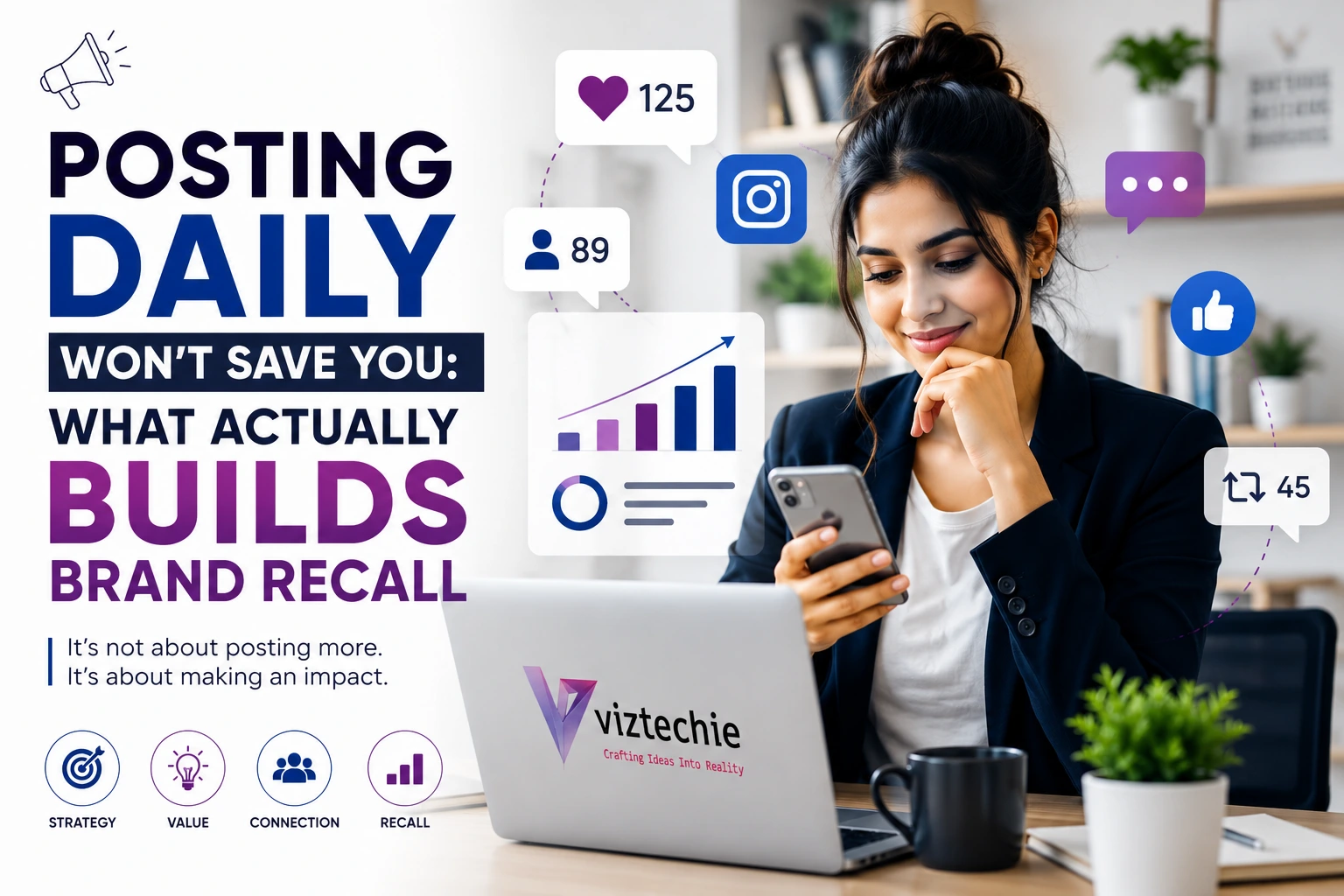
Consistency is important. Posting regularly keeps your audience engaged and improves visibility in platform algorithms.
Use Video Marketing
Short-form videos are currently one of the most effective social media marketing tools. Instagram Reels, YouTube Shorts, and TikTok videos can quickly increase engagement and reach thousands of potential customers organically.
Businesses should create videos that are:
- Short and engaging
- Informative
- Visually appealing
- Mobile-friendly
Video content often receives higher engagement compared to static posts and helps businesses connect emotionally with audiences.
Engage With Your Audience
Social media is not just about promotion; it is about building relationships. Businesses should actively interact with followers by:
- Replying to comments
- Responding to messages
- Asking questions
- Conducting polls
- Sharing user-generated content
Customer engagement builds trust and improves brand loyalty. When customers feel valued, they are more likely to recommend your business to others.
Invest in Paid Advertising
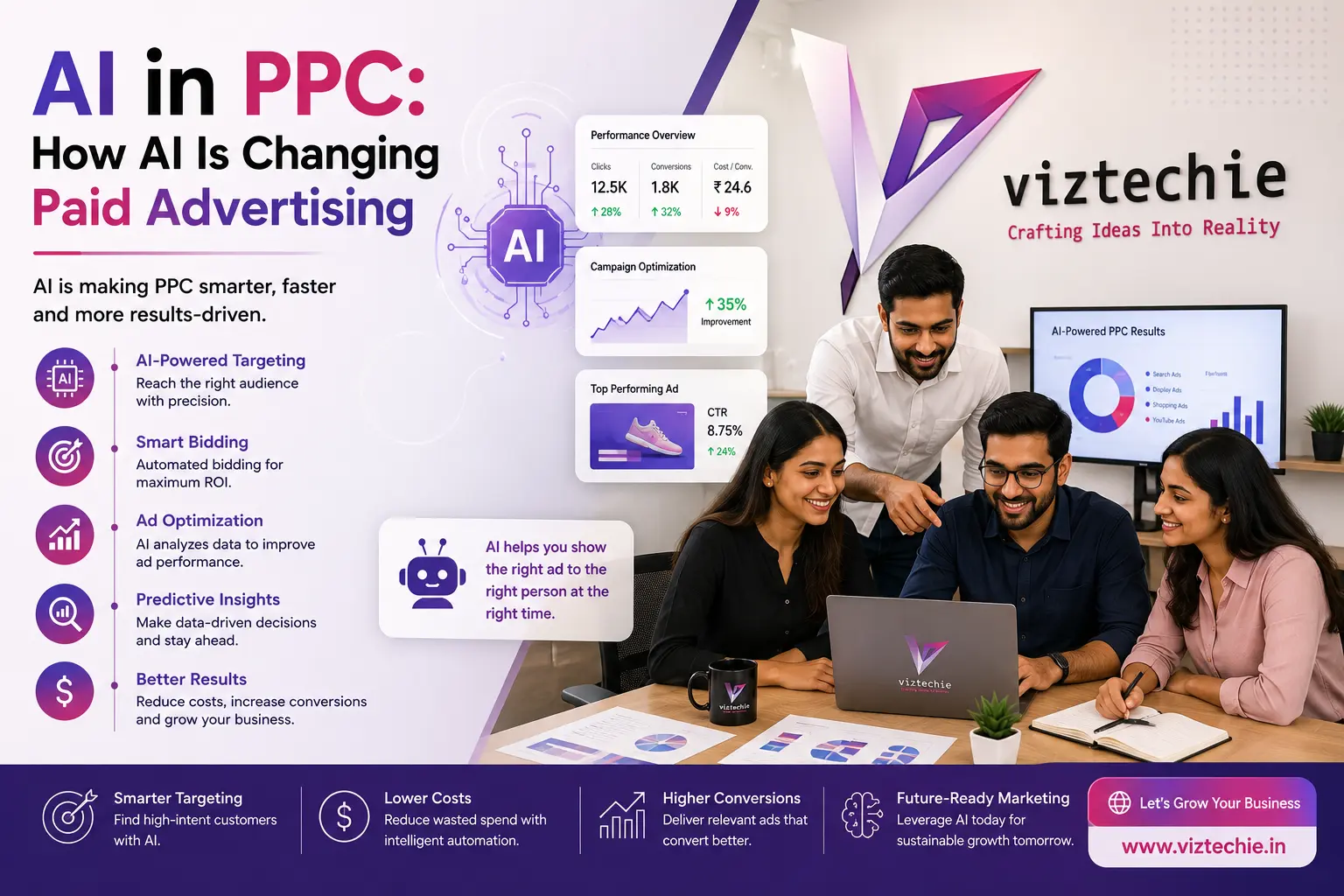
Organic reach on social media can be limited, especially for newer businesses. Paid advertising helps small businesses target specific audiences based on demographics, interests, behavior, and location.
Platforms like Facebook Ads and Instagram Ads allow businesses to run cost-effective campaigns with measurable results. Even a small advertising budget can generate leads and conversions when campaigns are properly optimized.
Collaborate With Influencers
Influencer marketing is no longer limited to large brands. Small businesses can partner with local influencers or niche content creators to promote products and services.
Micro-influencers often have highly engaged audiences and can help businesses gain credibility and reach targeted customers more effectively.
Monitor Analytics and Performance
Tracking performance is crucial for improving social media strategies. Businesses should regularly analyze metrics such as:
- Engagement rate
- Reach and impressions
- Website clicks
- Follower growth
- Conversion rate
- Ad performance
Using analytics tools helps identify what type of content performs best and where improvements are needed.
Final Thoughts
Social media marketing has become an essential growth strategy for small businesses. With the right approach, businesses can increase visibility, connect with customers, and achieve long-term success online. The key is consistency, audience understanding, quality content, and continuous optimization.
At Viztechie, we help businesses create result-driven digital marketing strategies that improve online presence and generate real business growth. From social media management to targeted advertising campaigns, our team delivers customised solutions designed to help small businesses succeed in the competitive digital landscape.